Why Mexico City's
Historic Center Matters
In the heart of Mexico City lies one of the most historically layered places in the Americas.
Within just a few square kilometers, you can walk through more than 700 years of history — from the Aztec empire to colonial rule to modern Mexico.
For travelers, the Historic Center is often the first stop in the city. But understanding why it matters requires seeing it as more than a collection of monuments.
It is the physical story of Mexico itself.
The Heart of an Ancient Empire
Long before the Spanish arrived, this area was the center of Tenochtitlan, the powerful island capital of the Aztec Empire.
Founded in 1325, the city became one of the largest urban centers in the world at the time, built on a system of canals, causeways, and artificial islands.
Today, when visitors stand in the Zócalo, they are standing almost exactly where the ceremonial center of that empire once stood.
The layers of history are literally beneath your feet.
Where Empires Collided
In 1521, the Spanish conquest led by Hernán Cortés transformed the city forever.
Temples were destroyed, colonial buildings were constructed, and a new political and religious order took shape.
Yet the past was never fully erased.
Archaeological discoveries throughout the Historic Center continue to reveal pieces of the original Aztec capital — especially at the nearby Templo Mayor, one of the most important archaeological sites in Mexico.
Walking through the district means moving between civilizations.
Architecture That Tells a Story
Few areas in Latin America contain such a concentration of historic architecture.
The Historic Center includes:
Massive colonial churches
Government palaces
Aztec ruins
Art Deco buildings
Neoclassical theaters
Baroque facades
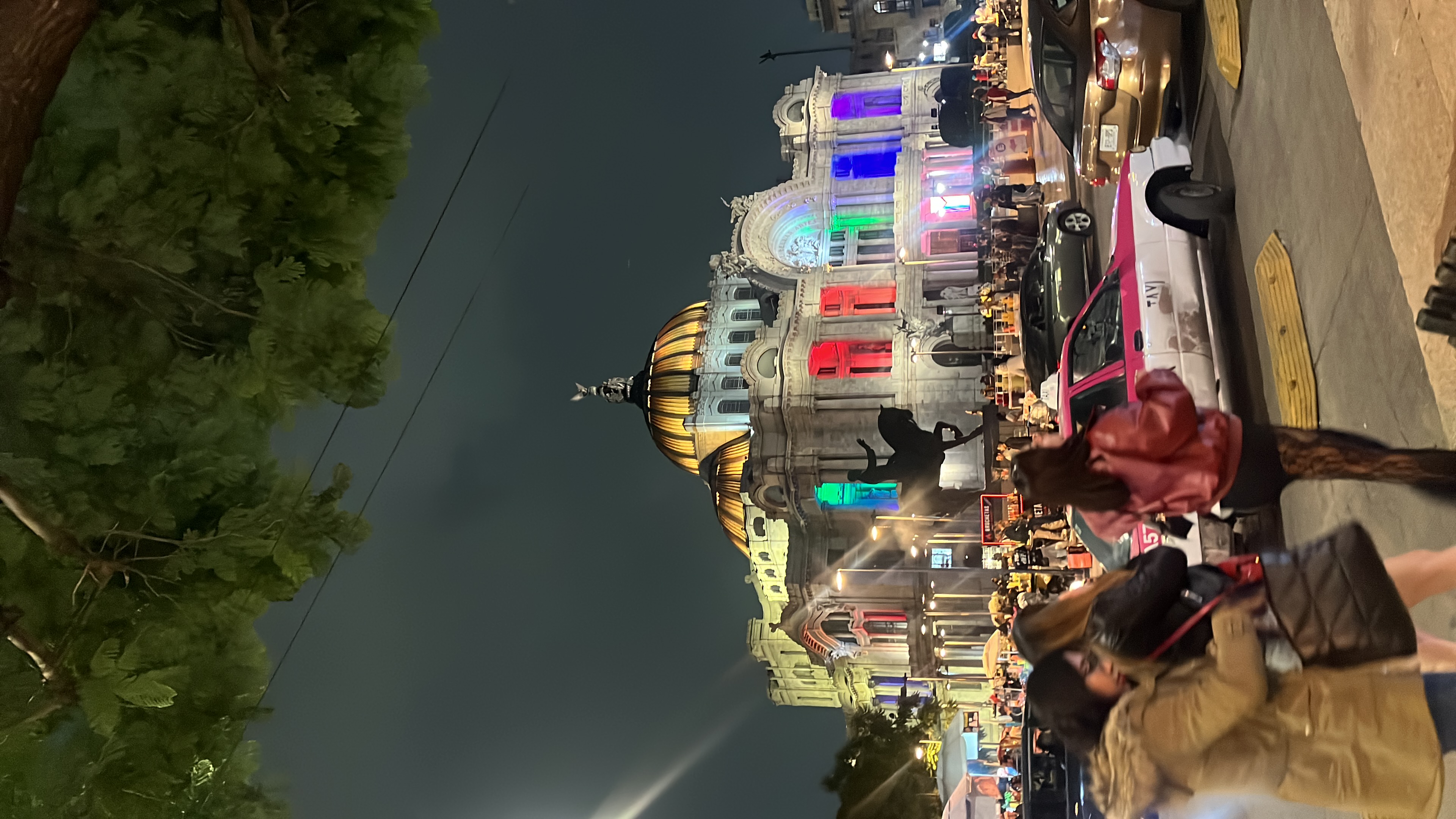
Among the most iconic landmarks are the Catedral Metropolitana de la Ciudad de México, the largest cathedral in Latin America, and the Palacio Nacional, home to famous murals by Diego Rivera.
Together, these structures form one of the most historically dense urban landscapes in the world.
A UNESCO World Heritage Site
Because of its cultural significance, the Historic Center was designated a UNESCO World Heritage Site in 1987.
This recognition reflects:
The preservation of colonial architecture
The archaeological importance of the Aztec ruins
The district's influence on Mexican culture and politics
Today, restoration projects continue to revive historic buildings while keeping the area alive as a working part of the city.
More Than Monuments
Despite its history, the Historic Center is not a museum.
It is an active urban environment filled with:
Street vendors
Traditional restaurants
Bookstores
Markets
Musicians and performers
Locals come here daily for work, shopping, and political events.
That constant activity is part of what makes the area unique. History and modern life coexist in the same streets.
What Most Visitors Miss
Many travelers visit the Historic Center for only a few hours.
They see the cathedral, take photos in the Zócalo, and move on.
But the district contains:
Hidden courtyards
Centuries-old cafés
Overlooked archaeological sites
Murals that narrate Mexican history
Without context, the area can feel overwhelming.
With context, it becomes one of the most fascinating urban spaces in the world.
Experiencing the Historic Center With Context
Exploring independently is possible — but the Historic Center reveals far more when its layers are explained.
Understanding the connection between Aztec temples, colonial architecture, and modern Mexican identity transforms the visit into something deeper.
Instead of simply seeing buildings, you begin to understand the historical forces that shaped them.
For travelers interested in exploring the Historic Center with historical interpretation and cultural context, guided experiences can help bring these stories to life.
Discover the Historic Center Guided ExperienceFrequently Asked Questions
Is the Historic Center safe to visit?
Yes. The main areas are heavily visited by tourists and locals. As in any major city, basic awareness is recommended.
How long should you spend there?
A meaningful visit usually takes between 2 and 4 hours, though history enthusiasts often spend an entire day exploring.
What is the best time to visit?
Morning and late afternoon tend to be the most comfortable times to explore, especially due to midday crowds.
Is everything walkable?
Yes. Most major landmarks are within walking distance of each other.
Final Thoughts
The Centro Histórico de la Ciudad de México is not just the geographic center of Mexico City.
It is the historical center of the nation.
Empires rose here. Revolutions began here. Political power still resides here.
For visitors, it offers a rare opportunity: to walk through centuries of history in a single afternoon.
Understanding the Historic Center means understanding Mexico.
Ready to Explore the Historic Center?
Join our guided Historic Center tour — led by expert guides who bring historical depth and cultural understanding to this UNESCO World Heritage Site.
Book the Historic Center Tour